
Inside Venezuela’s real estate market
Special Report | Venezuela’s real estate market does not lend itself to conventional analysis. Pricing, liquidity, and transaction structure all diverge from what an investor would expect in a functioning credit market, and any assessment must start from that premise.
The market has been recovering since 2023, with annual price gains in every year except 2024, when disputed elections introduced a temporary setback. Momentum accelerated further in 2026 alongside the political transition and renewed diaspora demand, a market regaining footing after a prolonged dislocation, not one that has returned to trend.
The absence of mortgage credit remains the defining constraint on the asset class. Transactions are cash-only, so sellers compete for a limited pool of dollar-liquidity holders rather than buyers competing for financed supply. Two regulatory developments are relevant here: a new lease law formalising USD-denominated, freely negotiated rents, and a pending construction-finance reform that would remove bank liability exposure on pre-sale lending. Neither has been tested yet, but both point toward a market the state is trying to re-formalise rather than continue to control directly.
Rental activity now accounts for close to half of all market activity, nationally and in Caracas specifically, a symptom of the same credit constraint, with renting substituting for buying wherever financing is unavailable. Gross rental yields across the five cities in this report range from roughly 6% to 15%, with Value-tier stock consistently out-yielding Prime.
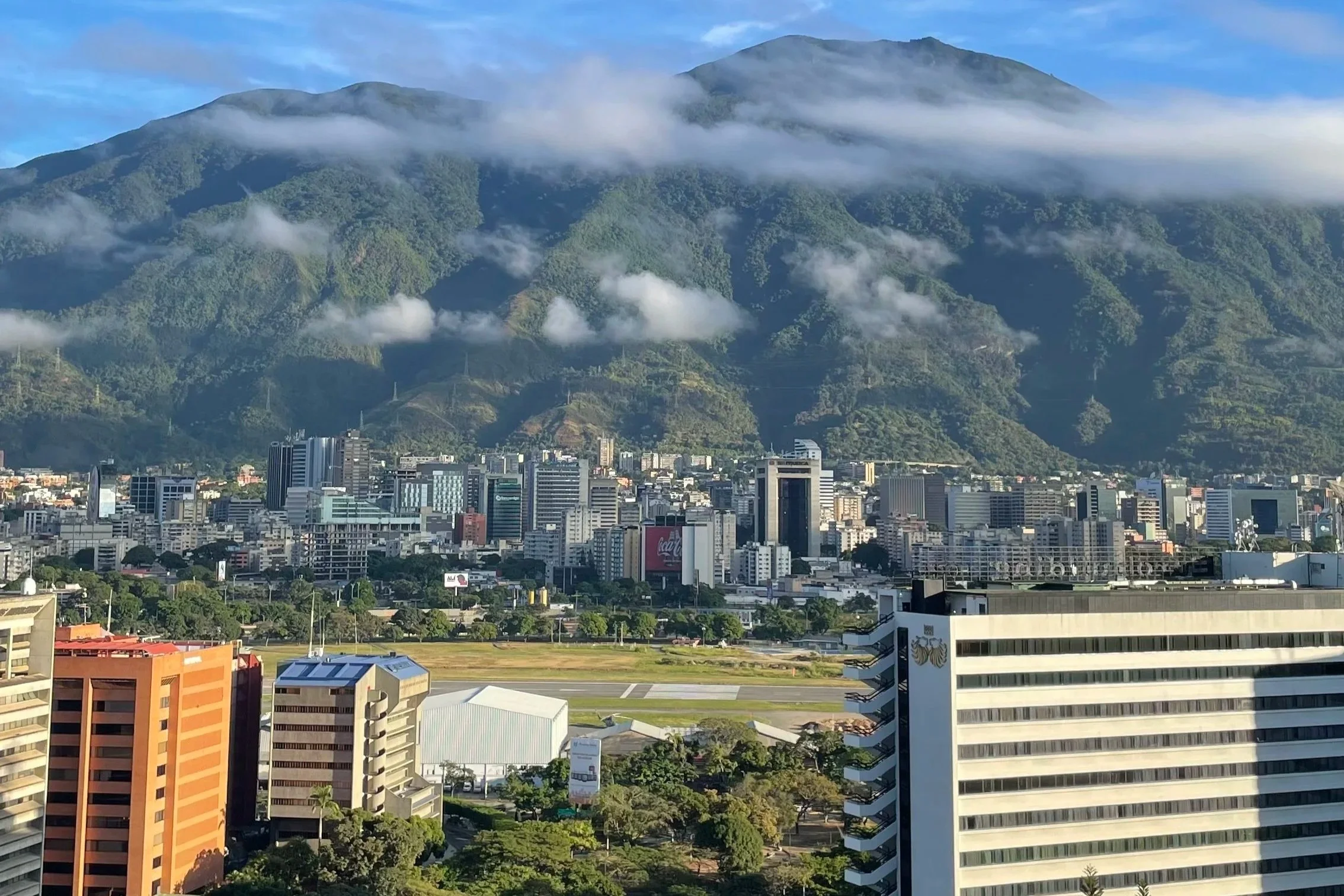
The five cities do not offer the same trade. Caracas is the deepest, most liquid market and the most exposed to any re-rating from restored credit. Maracaibo and Valencia are reactivation plays tied to oil and industrial recovery, priced at a discount to reflect that dependency. Northern Anzoátegui rides the same oil and gas expansion from the demand side. Isla de Margarita is the outlier, not a buy-to-rent case, but a distressed vacation-asset play contingent on tourism recovery. These are five separate theses, not a single Venezuela allocation.
Special Report | Venezuela’s real estate market does not lend itself to conventional analysis. Pricing, liquidity, and transaction structure all diverge from what an investor would expect in a functioning credit market, and any assessment must start from that premise.
The market has been recovering since 2023, with annual price gains in every year except 2024, when disputed elections introduced a temporary setback. Momentum accelerated further in 2026 alongside the political transition and renewed diaspora demand, a market regaining footing after a prolonged dislocation, not one that has returned to trend.
The absence of mortgage credit remains the defining constraint on the asset class. Transactions are cash-only, so sellers compete for a limited pool of dollar-liquidity holders rather than buyers competing for financed supply. Two regulatory developments are relevant here: a new lease law formalising USD-denominated, freely negotiated rents, and a pending construction-finance reform that would remove bank liability exposure on pre-sale lending. Neither has been tested yet, but both point toward a market the state is trying to re-formalise rather than continue to control directly.
Rental activity now accounts for close to half of all market activity, nationally and in Caracas specifically, a symptom of the same credit constraint, with renting substituting for buying wherever financing is unavailable. Gross rental yields across the five cities in this report range from roughly 6% to 15%, with Value-tier stock consistently out-yielding Prime.
The five cities do not offer the same trade. Caracas is the deepest, most liquid market and the most exposed to any re-rating from restored credit. Maracaibo and Valencia are reactivation plays tied to oil and industrial recovery, priced at a discount to reflect that dependency. Northern Anzoátegui rides the same oil and gas expansion from the demand side. Isla de Margarita is the outlier, not a buy-to-rent case, but a distressed vacation-asset play contingent on tourism recovery. These are five separate theses, not a single Venezuela allocation.