
Opportunities and challenges for Venezuela’s nascent international tourism
Venezuela has strong potential to develop its tourism industry for international visitors.

Political, economic and energy analysis
from Latin America and the Caribbean.
Venezuela has strong potential to develop its tourism industry for international visitors.
52 entries
RESEARCH / COMMENTARY / REPORTSVenezuela has strong potential to develop its tourism industry for international visitors.

Sparked by an irreversible political transition toward Western alignment, Venezuela is positioned for rapid, oil-driven economic recovery that will disproportionately benefit the country's urban middle and upper classes.

The third quarter has seen the dust settle over various political and economic processes, which have also slowed down with the pretext of the June 24 double earthquake.

Venezuela's aluminium sector represents one of the country's most significant vertically integrated industrial assets, historically ranking among the world's leading bauxite and primary aluminium producers.

Venezuela’s real estate market does not lend itself to conventional analysis. Pricing, liquidity, and transaction structure all diverge from what an investor would expect in a functioning credit market, and any assessment must start from that premise.

Macro Report | The second quarter of 2026 has shown a strengthening of the new relationship between the governments of President Donald Trump and Interim President Delcy Rodríguez.

The seismic event also hit Venezuela at a time of economic weakness.

The blue crab represents one of Venezuela's most significant and resilient wild-caught seafood exports.

When it comes to Venezuela's non-oil exports, shrimp is the real star. The sector currently represents one of the most important non-oil export chains in the country, easily outperforming traditional industries such as cement and aluminium, which collapsed after massive waves of…

Macro Report | Venezuela is at a crossroads after the U.S. attack that led to Nicolás Maduro’s capture on January 3, and the designation of Delcy Rodríguez as Interim President on January 5. Even as it faces an uncertain future, the South…
After a decade defined by declining reserves, infrastructure bottlenecks, and the fallout from the Petrotrin refinery crisis, Trinidad and Tobago (T&T) stands at a critical juncture. The nation is currently signalling a bold pivot: a synchronised surge in natural gas production aimed…

Special Report | The Venezuelan economic landscape has been profoundly reshaped over the past two decades by extensive state intervention and the systematic nationalization of core industries. This structural shift has transitioned the country from a diversified, mixedcapital market into an economy…

Since assuming the interim presidency on January 5, just two days after the U.S. attack, Delcy Rodríguez has moved to reorganise the Venezuelan government, with frequent appointments.

The territorial dispute between Guyana and Venezuela over the Essequibo region remains one of South America’s most persistent geopolitical controversies.

The 2026 Hydrocarbons Law Reform represents the greatest liberalisation of Venezuela’s oil sector since its nationalisation in 1976.

After years of low production, shrinking exports, and an almost invisible role in global oil markets, Venezuela’s oil sector is suddenly back in the spotlight. As a result of the dramatic events in Venezuela, the removal of Nicolás Maduro, the rise of…

Venezuela bonds have risen as much as 80% this year with increasing hopes for a political transition, but many are acting on the wrong signals.

On November 11, the three major oil companies signed a five‑year Production Sharing Agreement with the government of Guyana for shallow‑water Block S4 off Guyana’s coast, with TotalEnergies having the biggest share (40 %) and being the project operator. Qatar Energy holds…

Key implication: U.S.-based and other international companies operating in Venezuela could be subject to accusations of financially supporting a designated “Foreign Terrorist Organisation.”

In a recent post on Truth Social, U.S. President Donald Trump threatened Venezuela to take back ‘prisoners and people from mental institutions,’ or else ‘the price you will pay will be incalculable.’ This was announced right when the U.S. military was deploying…

After coming into office, the administration of President Donald Trump has eliminated licenses for oil companies to operate in Venezuela, despite initial hints that it would continue them, with presidential envoy Richard Grenell’s visits to Caracas.

An alleged list of companies that signed “productive participation contracts” (CPPs) with PDVSA was recently leaked. There has also been talk of a growing role for Chinese companies in Venezuela as U.S. sanctions intensify .

While Chevron was the main U.S. producer of Venezuelan oil, the product found a long list of buyers in the East Coast. These included fellow supermajors like ExxonMobil, Phillips 66 and Valero, according to the U.S. Energy Information Administration (EIA).
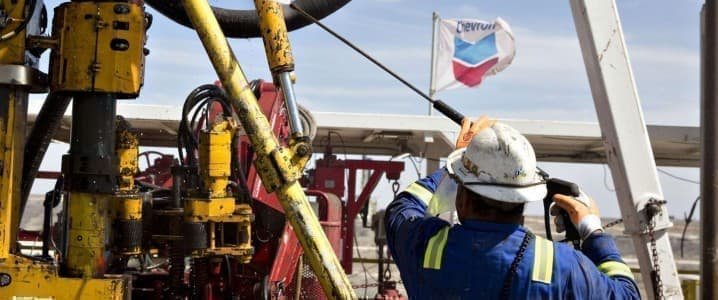
On 26 February, U.S. President Donald Trump announced his intention to end General License 41, which allowed Chevron to operate in Venezuela despite sanctions. Meanwhile, there are other “specific licenses” for oil and gas companies at risk.
It is 3 April, so any country buying Venezuelan oil must face a 25% tariff on all its trade with the United States. That is according to President Donald Trump’s executive order signed on 24 March. The White House has also ordered…
On Monday, Trump presented a brand-new policy tool to the world, “secondary tariffs.” That is, if other countries buy Venezuelan oil and gas, all of their trade with the U.S. will be subject to a 25% tariff. Venezuelan exports are not subject…
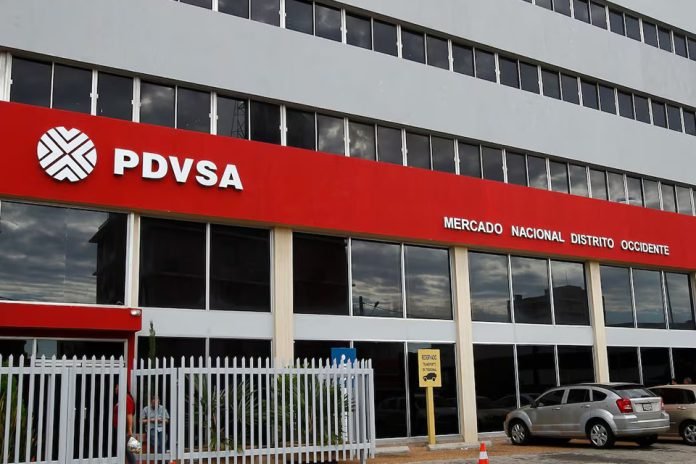
On 26 February, President Donald Trump said he intended to remove General License 41, which allows Chevron to operate in Venezuela despite sanctions.
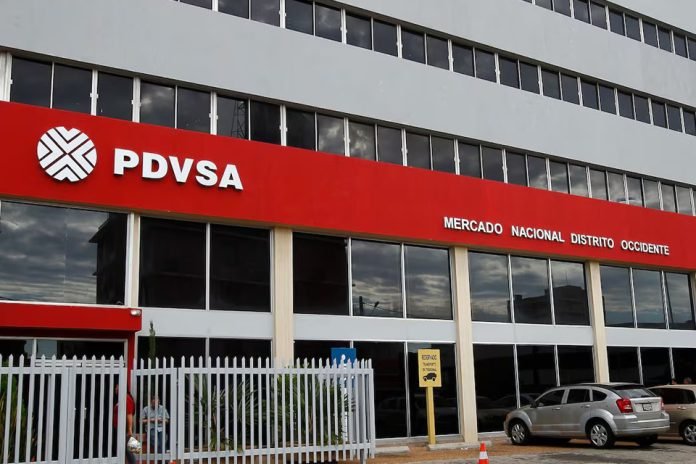
Venezuela's crude oil production would have surpassed 1 million barrels per day (bpd) in January, according to numbers reported by OPEC—citing the local Ministry of Hydrocarbons.
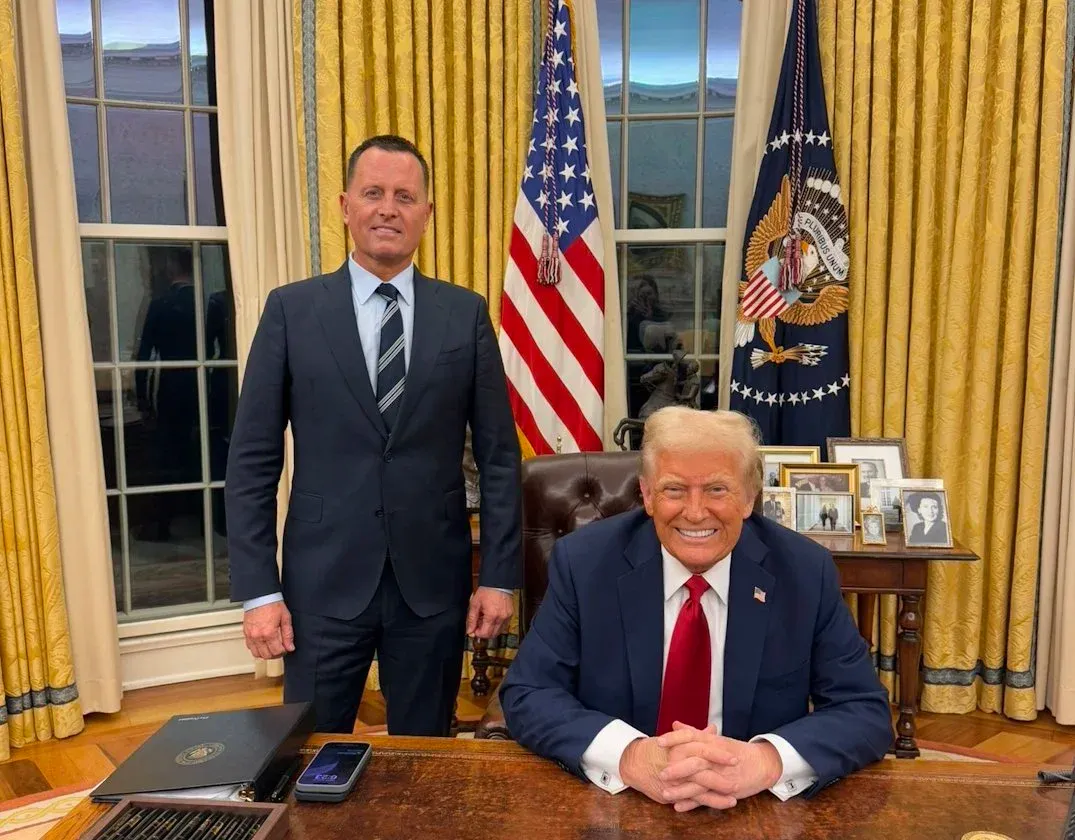
CNN first reported that Richard Grenell was due to arrive in Caracas on Friday, to discuss a deal on deportations with Venezuela’s Nicolás Maduro.
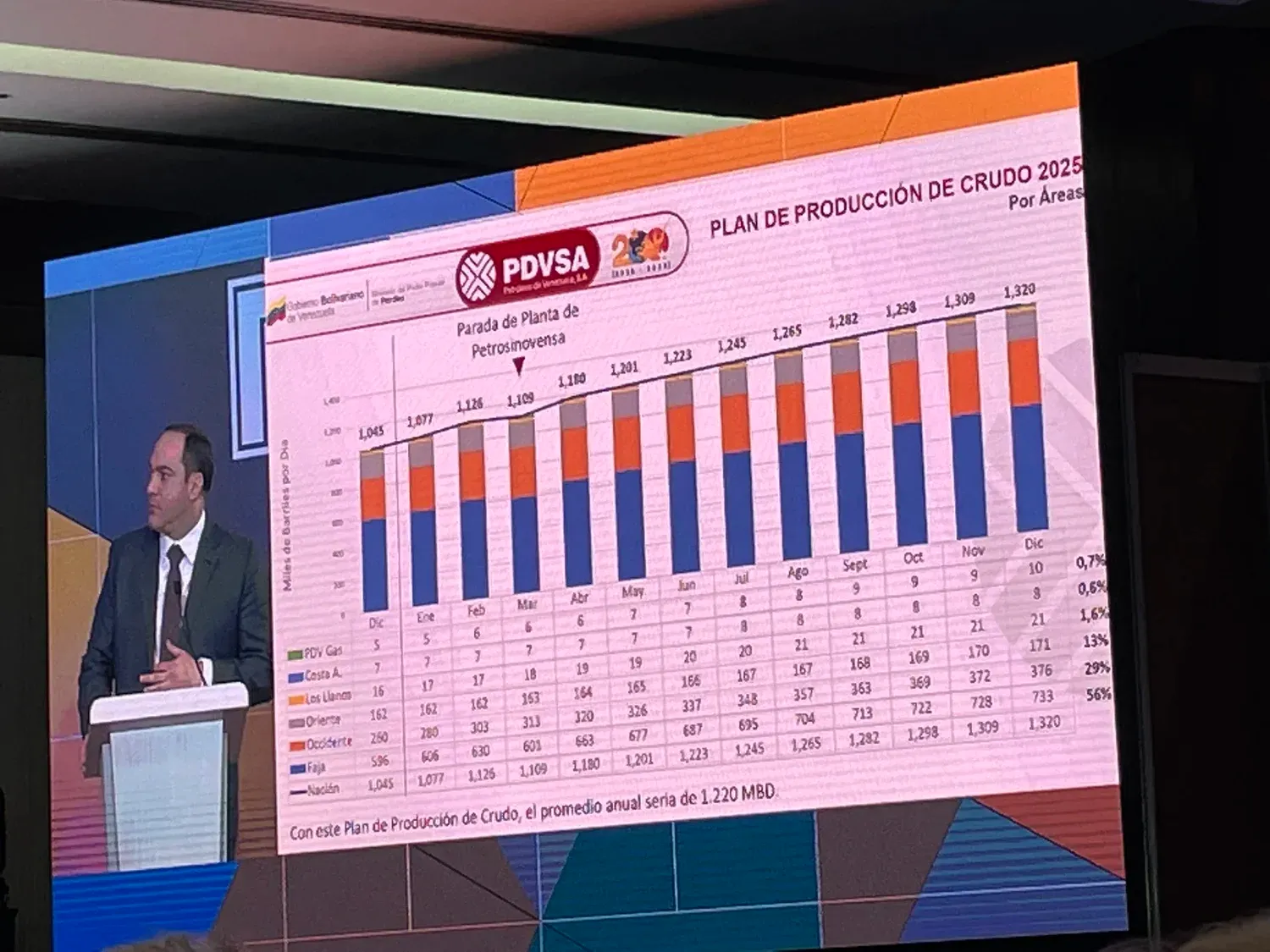
The year 2024 was a rocky one for Venezuela’s oil sector. Production, investment, and exports grew, yet facing many challenges and uncertainty.
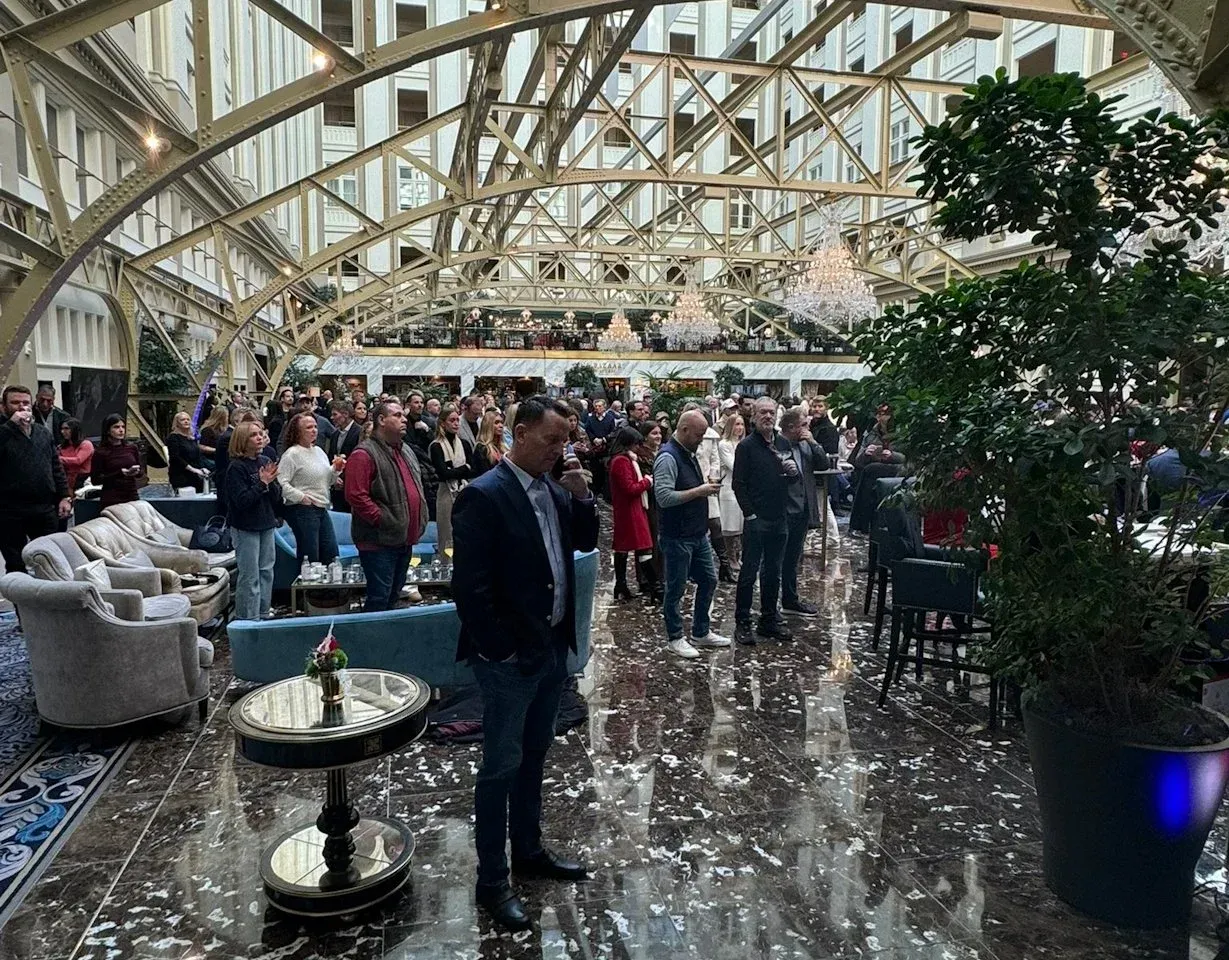
On 20 January, Richard Grenell announced on social media that he was speaking to “officials in Venezuela.” He added that “diplomacy is back,” and “talking is a tactic.”
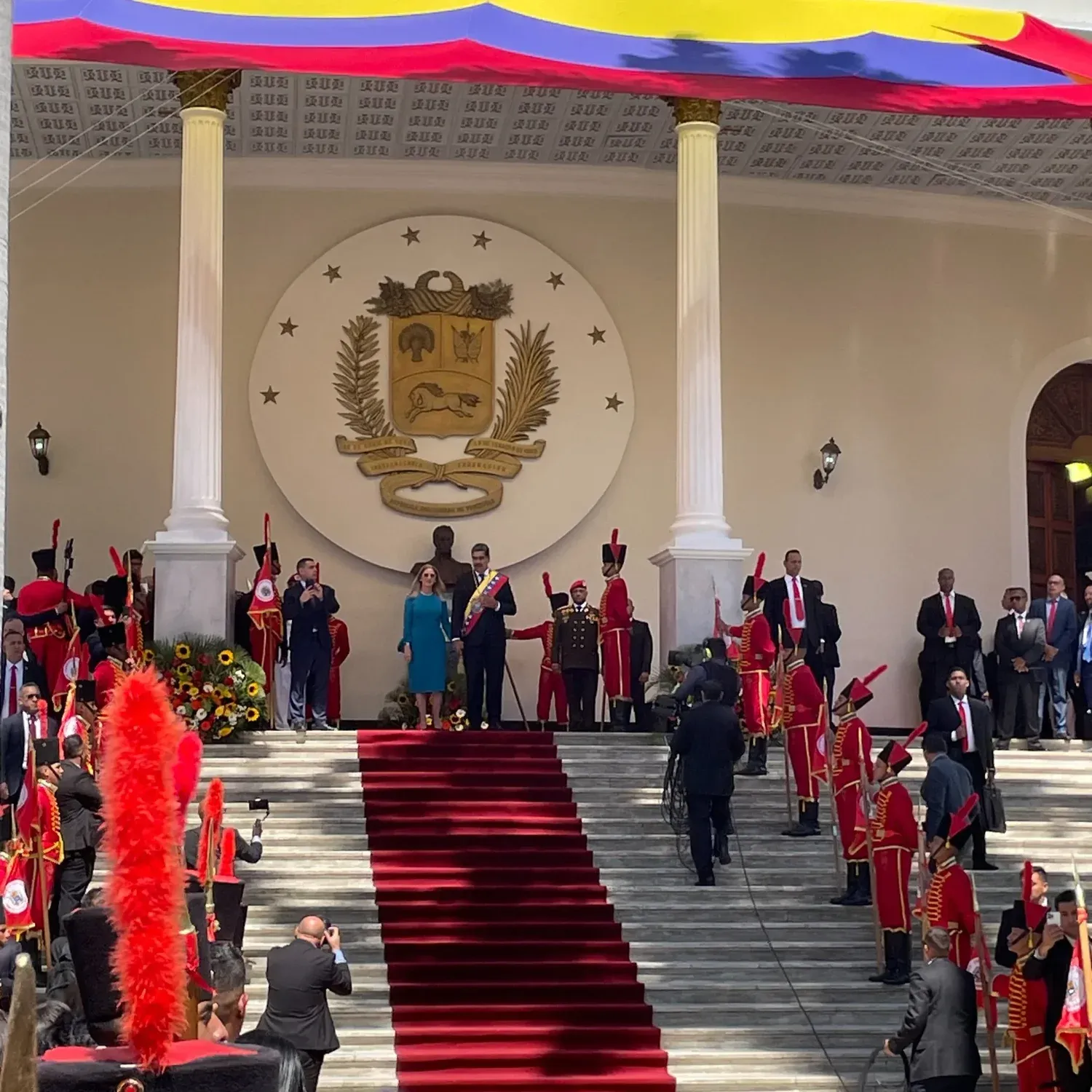
On 10 January, Venezuela’s incumbent president Nicolás Maduro was sworn in for a third term, amidst accusations of electoral fraud.
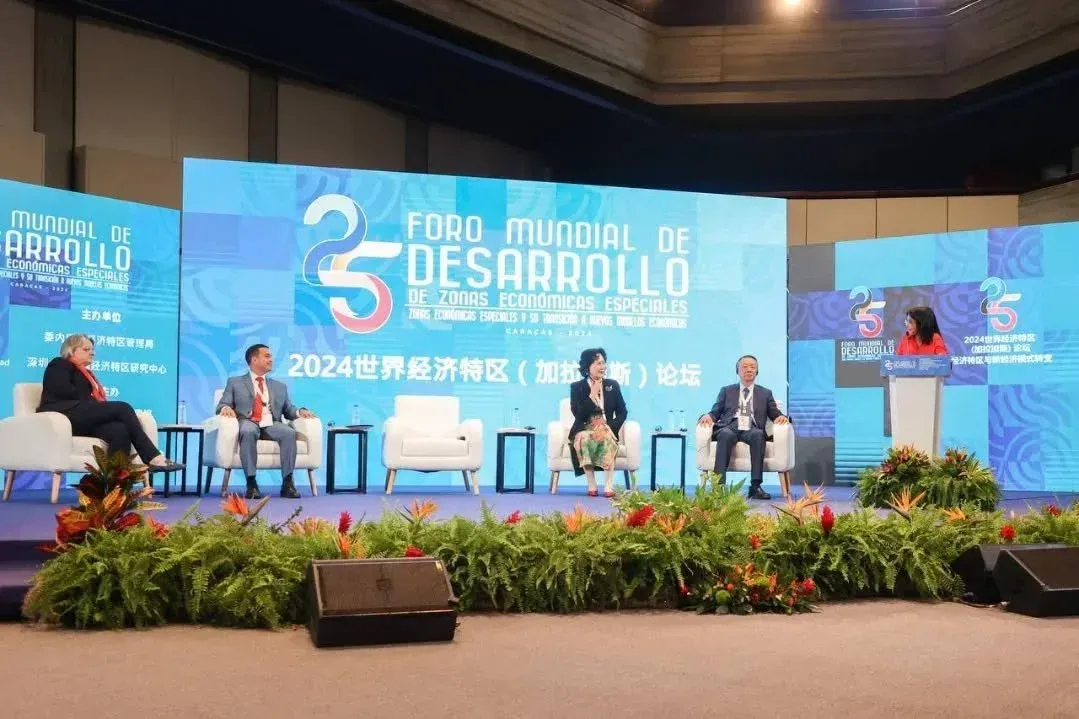
Between 12 and 13 December, Caracas hosted Shenzhen University’s special economic zones forum. The Venezuelan government used the occasion to announce new plans for the two-year-old special economic zones regime.
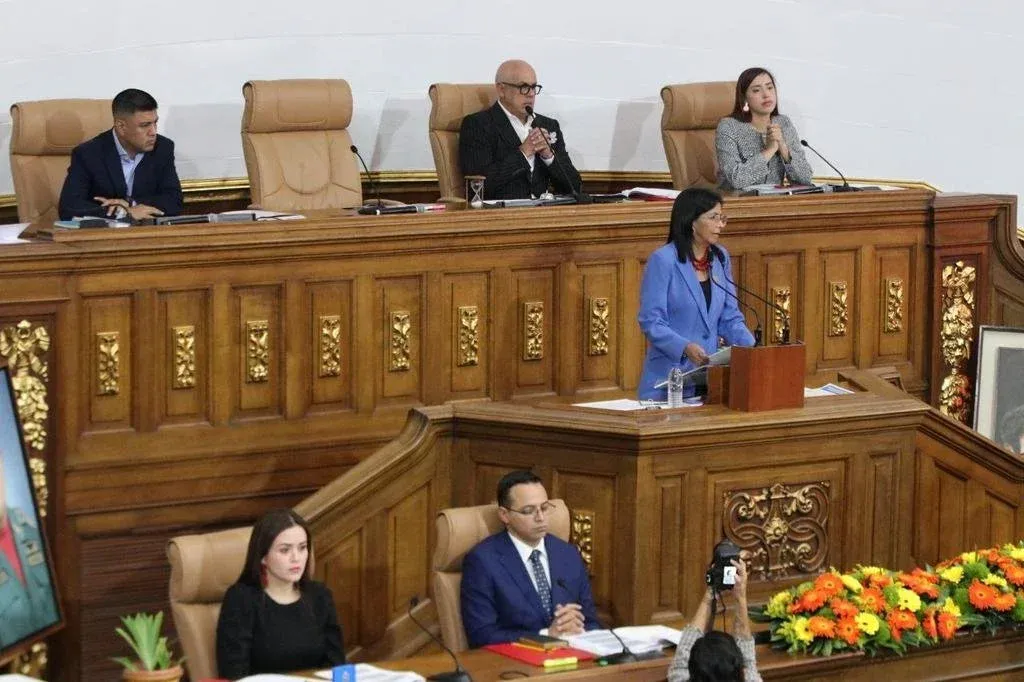
On Tuesday, Vice President Delcy Rodriguez presented a $22.7 billion national budget for 2025 at the National Assembly.
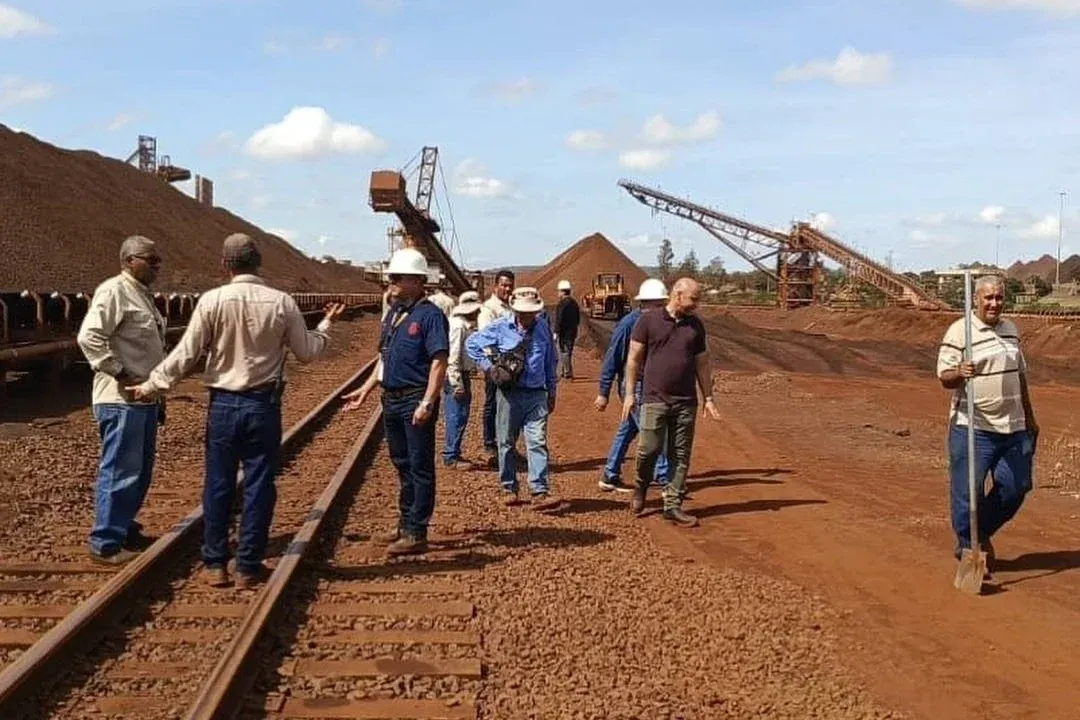
Venezuela would be discreetly launching a mass privatisation programme, according to various sources who claim to have information on the matter.
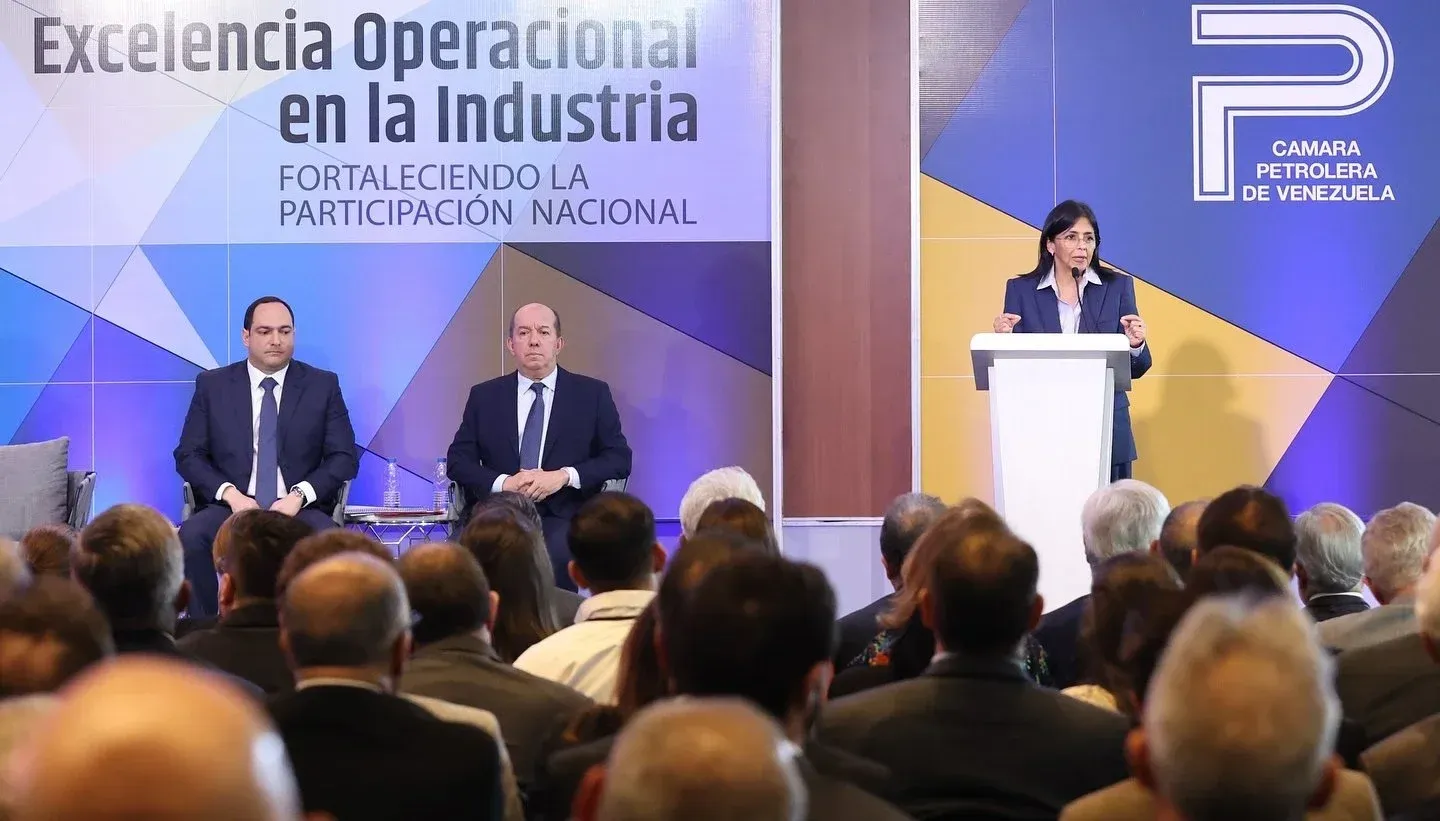
On Wednesday, Venezuela’s Vice President Delcy Rodriguez and PDVSA CEO Hector Obregon outlined plans for the sector at the Cámara Petrolera’s 2024 conference.
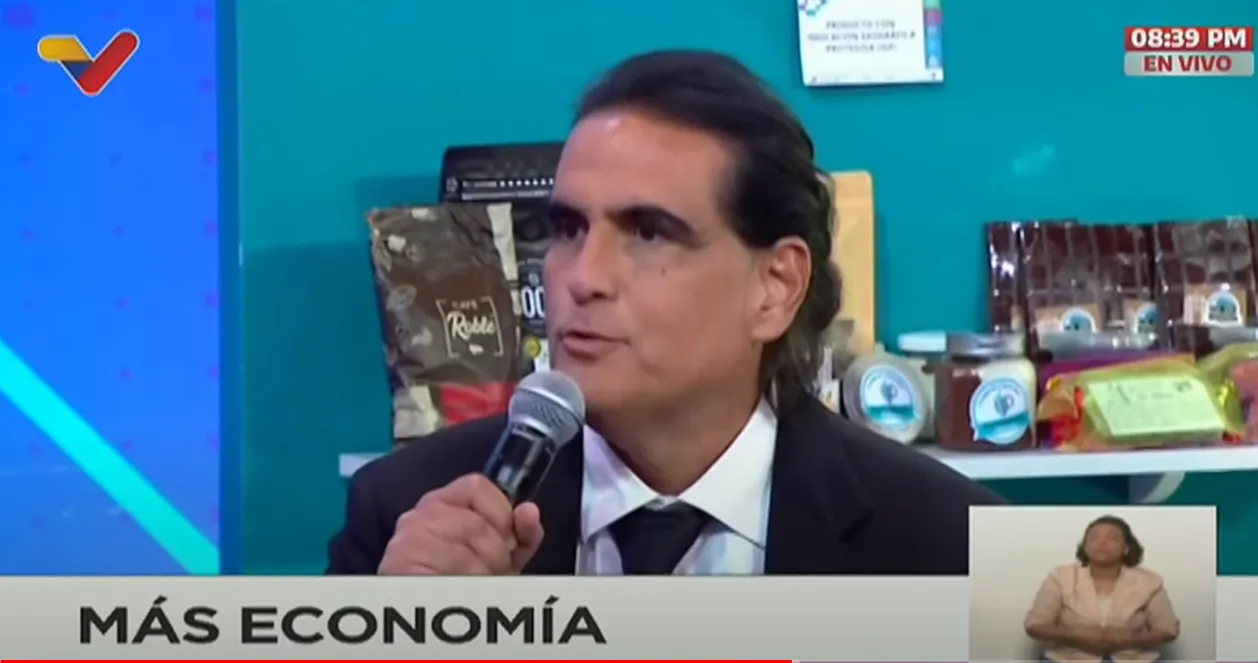
On 28 October, Minister of Industry Alex Saab said that Venezuela should pursue a policy of import substitution, and also aim to be a leading exporter in the region.
The United Nations Development Programme has upgraded its growth forecast for Venezuela this year, in its Second Quarter report published on 7 October.
A court in Trinidad and Tobago approved sending PDVSA payments from the island nation to ConocoPhillips, to cover the $1.33bn claim against the Venezuelan state-owned oil company.
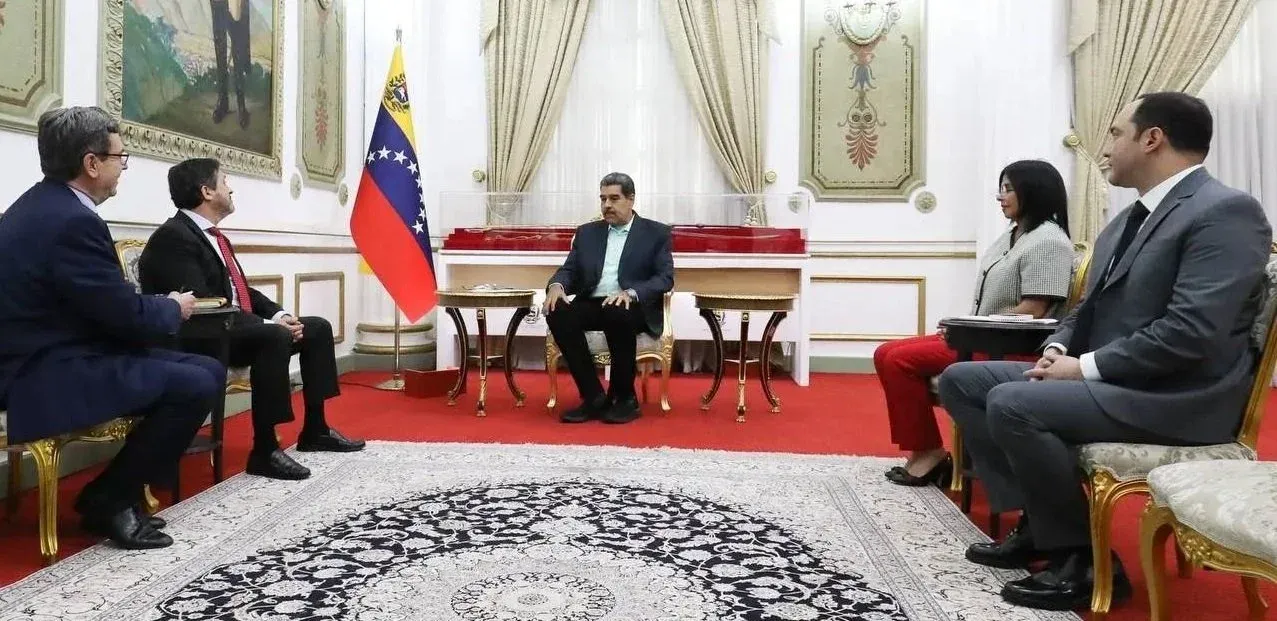
On 23 September, Venezuela’s President Nicolas Maduro and Vice President Delcy Rodriguez held a meeting with Repsol executives, with the backdrop of tense relations between Madrid and Caracas.
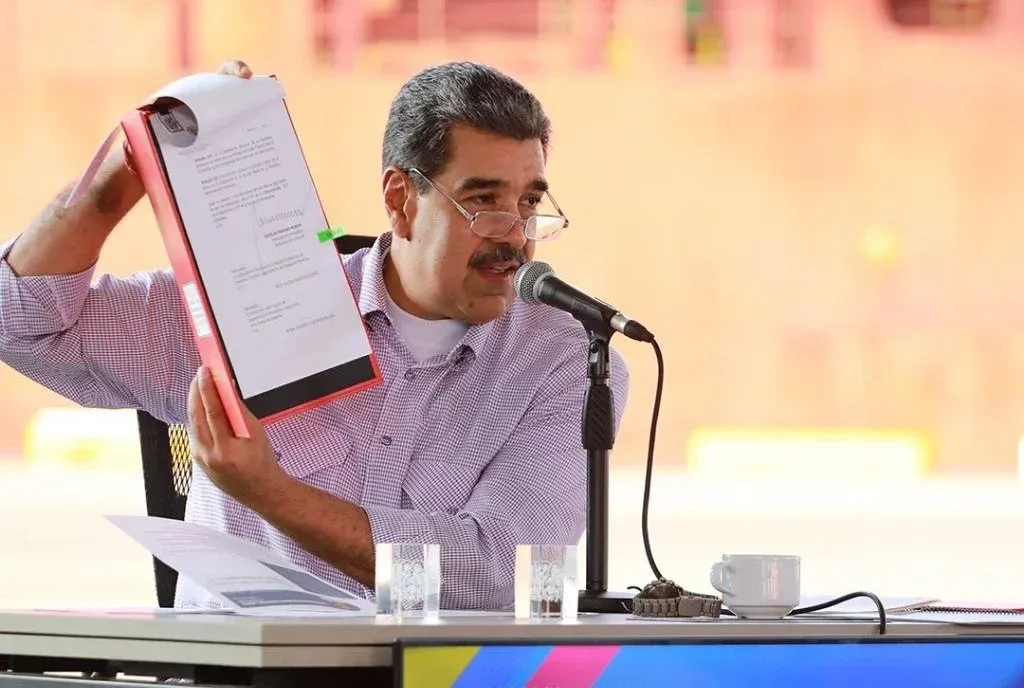
On 19 September, Venezuelan president Nicolas Maduro announced changes in the administrations relating to trade and ports, as he spoke to the Productive Economy Council.
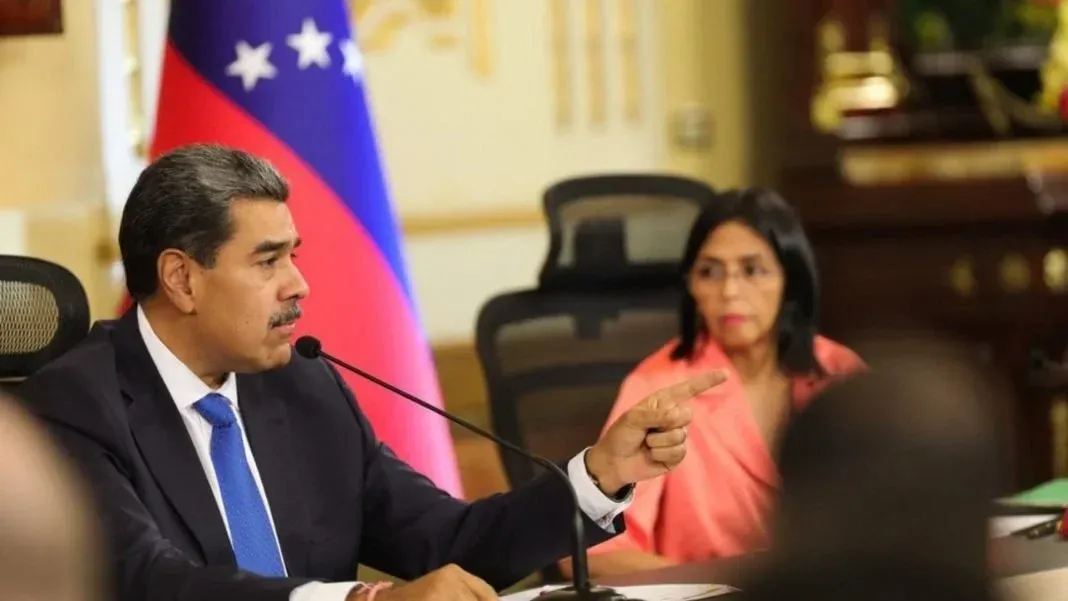
On 29 August Venezuelan Vice President Delcy Rodriguez announced reforms to encourage growth in the financial sector.

On 29 August, the Central Bank of Venezuela said that the national economy grew by 8.8% in the second quarter of this year, and 8.4% in the first quarter.
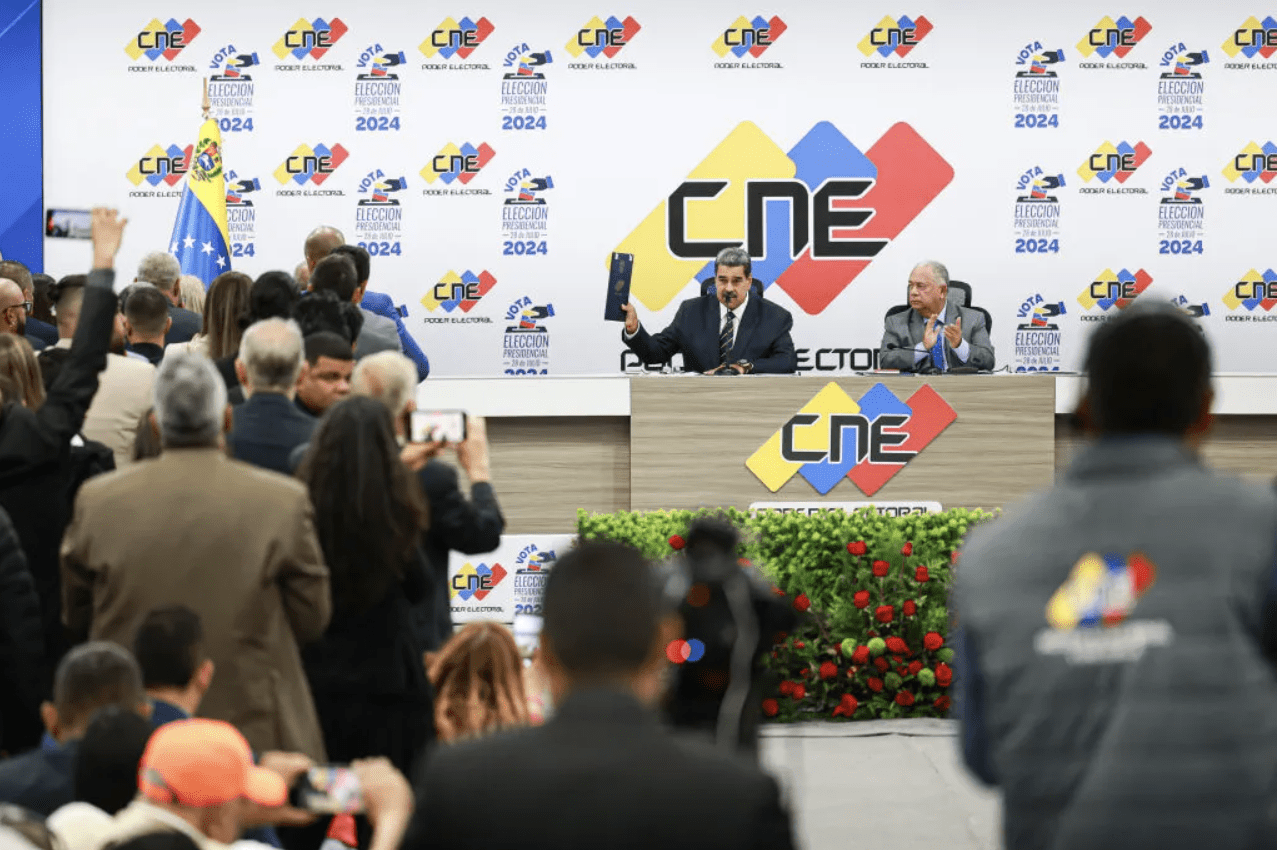
Early on Monday morning, the head of Venezuela’s National Electoral Council Elvis Amoroso sparked an international backlash by declaring President Nicolás Maduro as the winner of Sunday’s election.
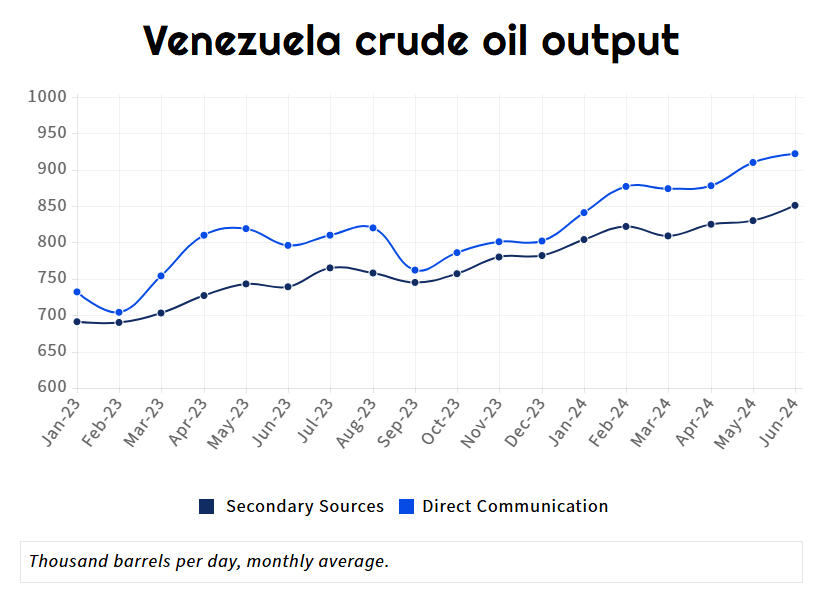
Venezuela’s crude oil production continued to increase in June, according to the latest OPEC report released on Wednesday. Output has been on a trend of slow yet sustained growth for two years.
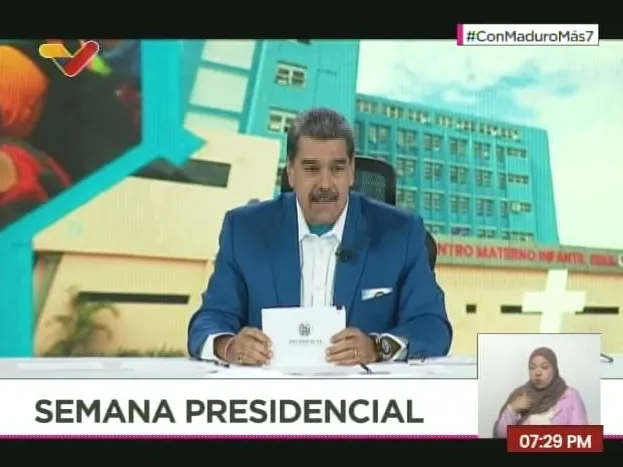
President Nicolas Maduro announced the resumption of talks with the US on his Monday TV programme, Con Maduro + , on 1 July.
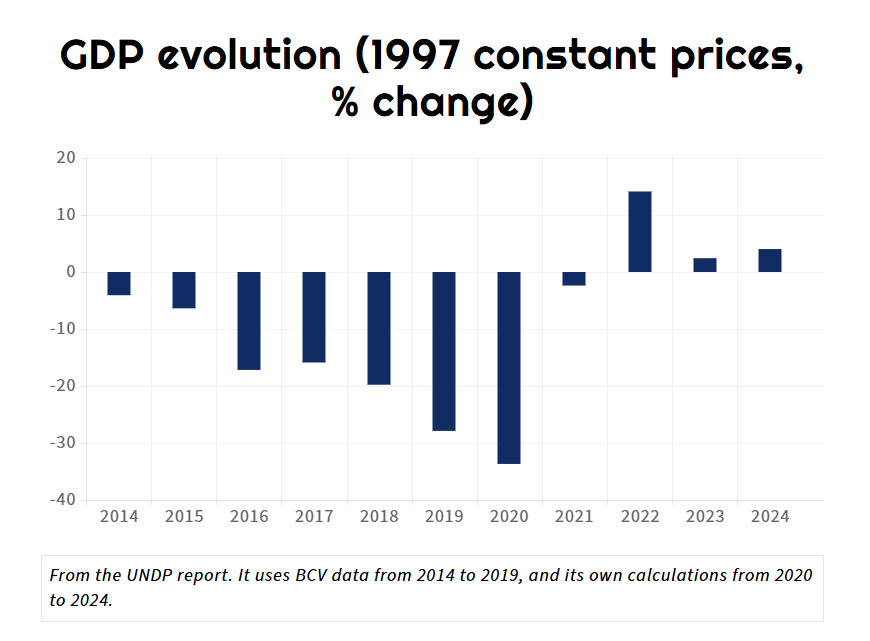
On 28 June, the United Nations Development Programme released its forecast of 4.2% economic growth for Venezuela.
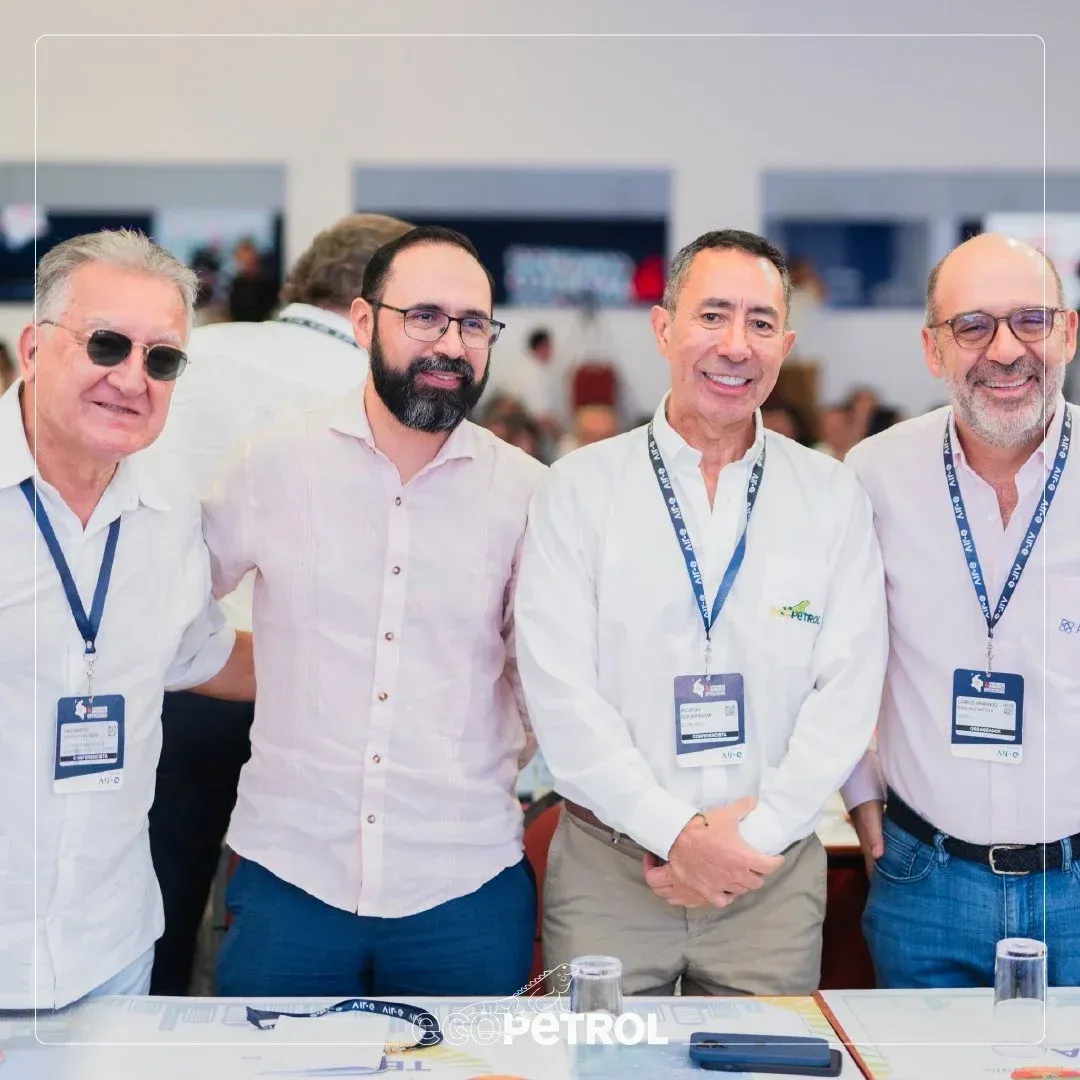
Speaking at the Andesco business association conference, Ecopetrol CEO Ricardo Roa presented a 10-year plan to ensure a stable natural gas supply for Colombia, which includes imports from Venezuela from 2025.
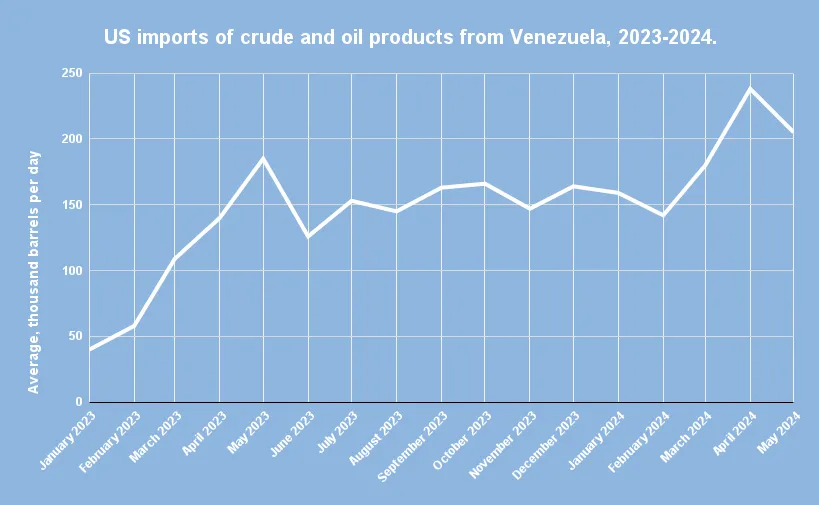
The US Energy Information Administration shows that oil imports from Venezuela have increased this year, reaching 180,000 barrels per day in March. That month, the South American country rose to become the sixth source of crude imports in the US, and seventh…
Many people think Venezuelan debt is a lost cause, a game only to be played by rinky-dink hedge funds. After all, the bonds have been in default since 2017 — a longer period in limbo than even Argentina suffered after its 2001…
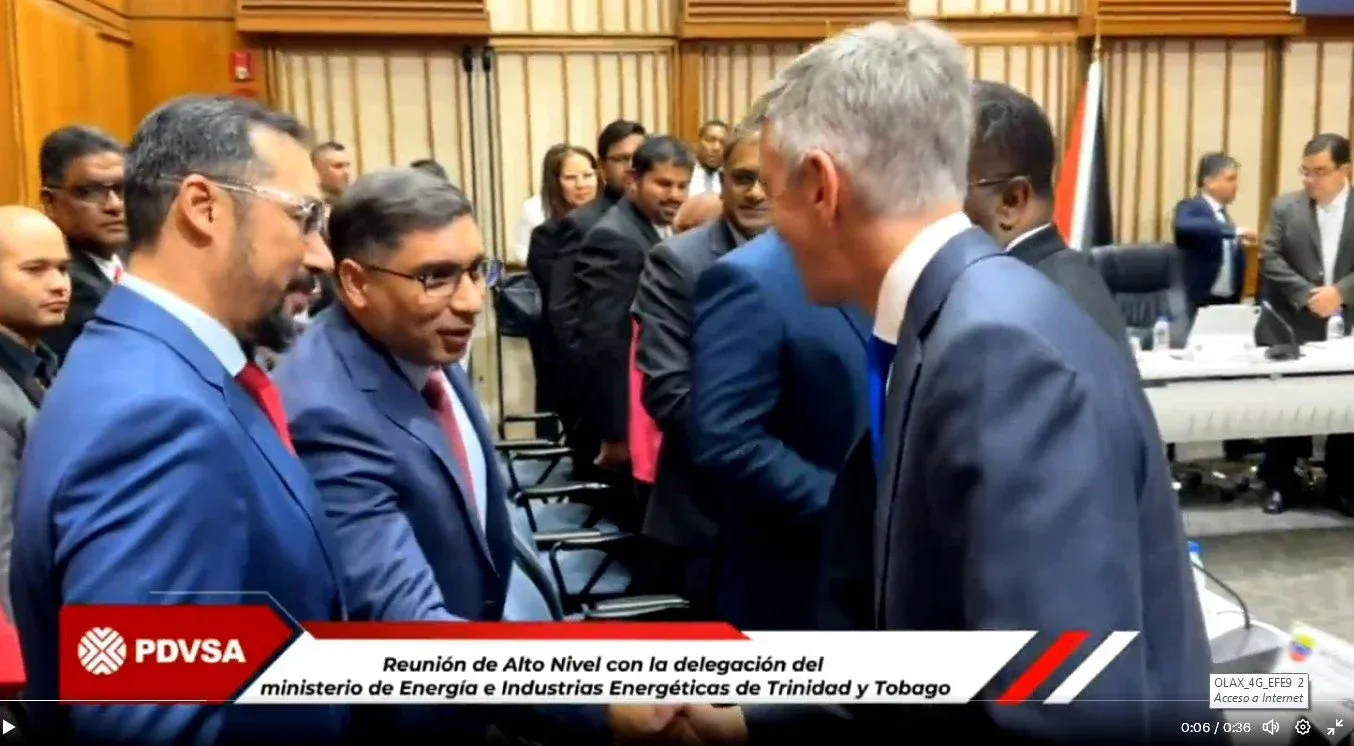
Trinidad and Tobago received a “specific license” from the US Treasury’s OFAC to develop a new gas project in Cocuina-Manakin field. The offshore reservoir is shared between the island nation and Venezuela and involves BP and Trinidad’s National Gas Company.
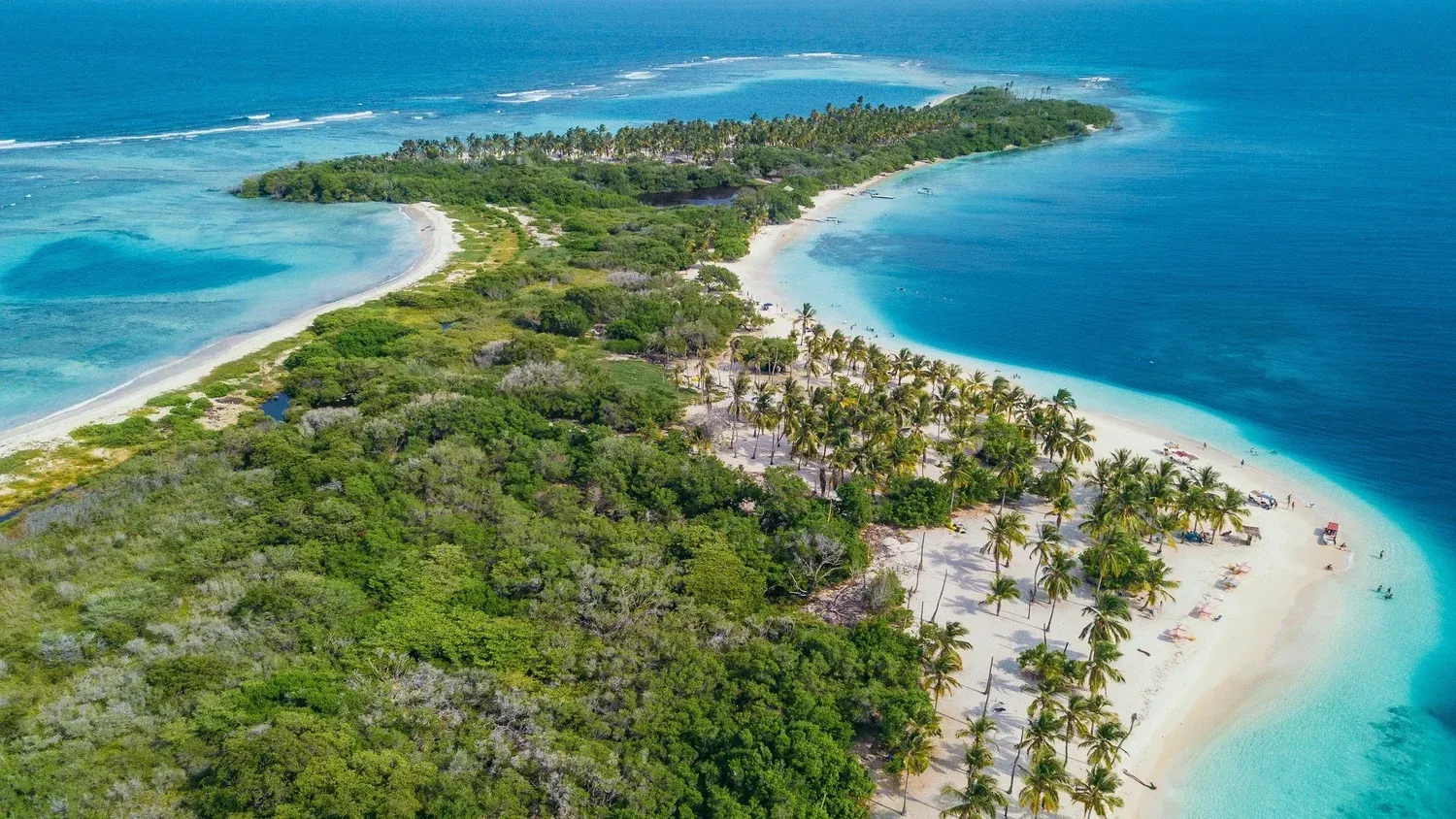
Venezuela already starts with an advantage with its natural endowments. It has the longest Caribbean coastline with hundreds of islands, white-sand beaches, keys, and natural swimming pools. A varied range of natural reserves cover rainforests, mountains, savannahs, and even a desert—and of…
No entries match your search. Try another keyword or clear the filters.
Tell us which markets and questions matter to you.
We will help shape a service around your needs.